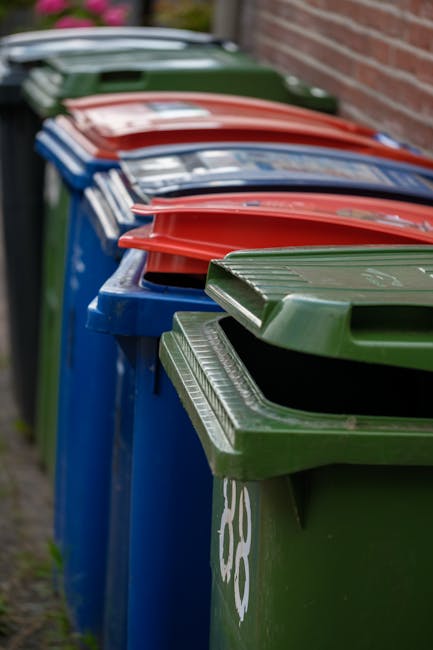
Hammersmith & Fulham Council Rules for Rubbish Disposal
If you live or work in west London, rubbish can get complicated faster than people expect. One bag is fine. Then there's a broken wardrobe, a few builders' offcuts, maybe some garden waste after a weekend clear-up, and suddenly you're trying to work out what Hammersmith & Fulham Council rules for rubbish disposal actually allow. That's the point where small mistakes turn into missed collections, fly-tipping risks, or a very annoying trip back down the stairs with a heavy bin bag. Not ideal.
This guide breaks the topic down in plain English. You'll find how local rubbish disposal rules generally work, what to do with different waste types, the mistakes people make most often, and when a professional clearance service may be the easier route. If you want a broader service overview while you compare options, you can also browse waste removal support or look at practical specialist services such as house clearance and office clearance.
Quick takeaway: the safest approach is to separate waste properly, follow collection instructions carefully, and treat bulky, hazardous, or trade waste as its own category. Simple enough in theory. In real life, not always.
- Why the rules matter
- How rubbish disposal works locally
- Key benefits and practical advantages
- Who needs this guidance
- Step-by-step guidance
- Expert tips for better results
- Common mistakes to avoid
- Tools, resources and recommendations
- Law, compliance and best practice
- Options and comparison table
- Case study or real-world example
- Practical checklist
- Conclusion
- Frequently asked questions
Why Hammersmith & Fulham Council Rules for Rubbish Disposal Matters
Local rubbish rules matter because waste is not just waste. Different items are handled differently for safety, recycling, collection efficiency, and legal responsibility. A black bag full of everyday household rubbish is one thing. A mattress, a fridge, a bag of plasterboard, or a paint tin is something else entirely.
For residents, the biggest benefit of understanding the rules is avoiding avoidable hassle. You reduce the chance of bags being left behind, protect yourself from fines or complaints, and make recycling easier. For landlords, tenants, shop owners, and office managers, the value is even bigger: you keep communal areas tidy, avoid nuisance issues, and stay on the right side of local expectations. Let's face it, nobody wants a row about a bin store.
There's also a wider community point. When rubbish is left in the wrong place, overfilled, or mixed badly, it creates extra work for collection teams and can attract pests, smells, and clutter around pavements and estates. On a damp London morning, that mix of cardboard, food waste, and takeaway packaging becomes hard to ignore very quickly.
Expert summary: The real goal is not simply "throwing things away properly". It is sorting waste so that everyday household rubbish, recycling, bulky items, and specialist waste each go through the right route with the least friction.
How Hammersmith & Fulham Council Rules for Rubbish Disposal Works
In practice, rubbish disposal rules usually follow a simple pattern: sort the waste, place it out correctly, and use the right collection route for the item. That sounds straightforward, but the detail matters. What can go in a normal bin? What needs separate recycling? What should be booked as bulky waste? And what should never be left out at all?
Most households need to think in categories:
- General household waste - everyday non-recyclable rubbish such as food-contaminated packaging and mixed household waste.
- Dry mixed recycling - typically clean recyclable items like certain paper, cardboard, cans, and plastic packaging, depending on collection instructions.
- Food waste - where separate food recycling is available, this should be kept out of general waste.
- Bulky waste - items that do not fit in normal bins, such as furniture, mattresses, and large electricals.
- Garden waste - grass cuttings, branches, leaves, and plant matter, usually handled separately where a specific route exists.
- Special or hazardous waste - things like chemicals, paint, solvents, batteries, fluorescent tubes, or certain electrical items.
If you are clearing a room, flat, loft, garage, or office, it helps to sort by material rather than just by room. For example, a loft clearance often includes cardboard, broken wood, old suitcases, fabric, and the odd mystery cable that nobody remembers buying. Room-based sorting is useful for planning; material-based sorting is better for disposal.
Bulky items often need special handling. If you are dealing with furniture, there are dedicated options such as furniture clearance and furniture disposal. If the waste is from a work site, builders waste clearance may be the more suitable route.
The key thing is this: local disposal rules are designed to keep reusable, recyclable, and hazardous items out of the wrong stream. When you understand that logic, the rest becomes much easier.
Key Benefits and Practical Advantages
Following the correct rubbish disposal rules is not just about avoiding problems. It brings real, practical advantages that show up in everyday life.
Cleaner collections and fewer rejected items
If your bins are sorted properly, you are less likely to have items left behind. That means fewer awkward mornings staring at a bag that clearly should have gone yesterday. You know the feeling.
Less risk of complaints in shared properties
In flats, converted houses, and HMOs, waste can become a flashpoint fast. Clear rules help keep bin stores usable and reduce friction between neighbours, landlords, and managing agents. For people living in compact buildings, the difference is huge.
Better recycling outcomes
Mixing recyclable items with food waste or general rubbish can contaminate the lot. Proper separation gives more of your waste a chance to be recycled, which is better for the environment and usually better for long-term waste management too.
Safer disposal of awkward items
Old paint, batteries, sharp metal, broken glass, and WEEE items like electricals can cause injury if they are handled carelessly. Following the correct route helps protect collection teams, neighbours, and the person carrying the bag down the stairs.
Better planning for clear-outs
Once you know how the rules work, you can plan a move, renovation, or declutter with less guesswork. That is especially useful if you are arranging a home clearance, a flat clearance, or a loft clearance.
Who This Is For and When It Makes Sense
This guidance is useful for pretty much anyone in the borough, but some people need it more urgently than others.
- Residents moving home who need to clear out bulky items, old furniture, or general clutter.
- Tenants and landlords dealing with end-of-tenancy rubbish, abandoned items, or shared-bin pressure.
- Homeowners sorting garage waste, garden cuttings, or leftover renovation debris.
- Office managers getting rid of desks, chairs, files, or old equipment.
- Builders and tradespeople handling rubble, timber, packaging, and site offcuts.
- Small businesses that need regular, lawful waste handling without overcomplicating things.
It also makes sense if you are at the stage where the rubbish is no longer "a bit of mess" and more like a job. A garage packed to the rafters, a loft full of forgotten boxes, or a garden that has turned into a holding area for broken furniture all tend to need a proper plan. If that sounds familiar, services like garage clearance and garden clearance can save time and a sore back.
Truth be told, the moment you are debating whether the waste will fit in the car, the job has probably outgrown a casual Saturday clean-up.
Step-by-Step Guidance
Here's a sensible, low-stress way to handle rubbish disposal in line with local expectations.
- Identify the waste type. Start by separating general rubbish, recycling, food waste, bulky items, electricals, garden waste, and hazardous materials.
- Check whether it is safe to move yourself. Broken glass, sharp metal, heavy appliances, and chemical containers should be handled with care. If it feels awkward or risky, stop there.
- Keep recyclables clean and dry. Food residue and liquid contamination can spoil otherwise recyclable items. A rinsed tin is useful; a greasy takeaway box is a different story.
- Flatten or dismantle where sensible. Cardboard, flat-pack furniture, and some packaging become much easier to store and remove once broken down.
- Use the correct collection route. Put household waste out according to the normal collection rules, and book bulky or special waste through the appropriate route.
- Never leave items on the street without permission or collection. That can create complaints and may be treated as fly-tipping in some situations.
- For larger jobs, plan a one-off clearance. If the waste is substantial, a professional service can often remove it in one visit rather than several stressful trips.
If you are clearing an office, try to separate paper records, IT equipment, furniture, and general waste before collection day. That avoids confusion and makes the handover smoother. A small preparation effort now can save a lot of faff later.
For businesses that need a more structured route, business waste removal is usually worth considering. It helps keep disposal regular, documented, and easier to manage.
Expert Tips for Better Results
These are the small habits that make rubbish disposal easier, especially when you are dealing with a mixed pile.
Sort first, carry second
People often start carrying items downstairs before sorting them. That's backwards, really. Do the sorting while everything is still visible. You will notice problems earlier and avoid double handling.
Keep a "special items" box
Put batteries, cables, chargers, spare bulbs, and small electrical bits into one clearly marked box. It stops them getting mixed into general waste and makes disposal far less messy.
Don't overfill bags
Overstuffed bin bags split at the worst possible moment. Usually on the stairs. Usually when you are in a hurry. Keep them manageable.
Use photos for large clear-outs
If you are requesting a quote or assessing what can be removed, take a few clear photos. That helps everyone understand volume and item type, especially for furniture and mixed clearances.
Think about access before removal day
Narrow hallways, basement flats, tight stairwells, and permit-controlled streets can affect how waste is moved. In Hammersmith & Fulham, access details matter more than people think.
Plan around weather where possible
A wet collection day can make cardboard soggy, sacks heavier, and pavements slippery. It sounds obvious, but planning with the weather in mind saves bother.
If you want to reduce the amount going to landfill, check the company's recycling and sustainability approach before booking. Not every item can be reused, of course, but responsible sorting does make a difference.
Common Mistakes to Avoid
Most rubbish disposal problems come from a handful of repeat mistakes. The good news is they are easy to avoid once you know what to watch for.
- Mixing hazardous waste with household rubbish. Paint, solvents, sharp objects, and certain electrical items need separate handling.
- Leaving waste beside bins because they are full. That can create mess, attract complaints, and risk enforcement action.
- Assuming everything bulky is the same. Furniture, appliances, mattresses, and construction debris often need different treatment.
- Forgetting about tenant or business responsibility. If waste is generated by a property or business, the duty to dispose properly does not disappear just because the pile is annoying.
- Using the wrong bag or container. Weak bags split. Loose items scatter. Then everyone is annoyed, including you.
- Leaving disposal until the last minute. This is the classic one. It always feels manageable until collection day arrives and the lift is broken.
One small but common issue: people treat "old junk" as if it has no category. In reality, most waste has one. Once you identify it, disposal gets much simpler.
Tools, Resources and Recommendations
You do not need a warehouse full of equipment to manage rubbish properly, but a few simple tools help a lot.
- Heavy-duty sacks for general rubbish, especially if bags may need to travel through stairs or outside space.
- Marker pens and labels for separating recyclables, electricals, and donation-ready items.
- Work gloves for handling splintered wood, broken boxes, or dusty items.
- Tape and sheeting for securing sharp or loose materials.
- Basic measuring tape if you need to estimate bulky item size or access gaps.
- A camera or phone for recording what needs removing before a collection or quote.
For readers comparing clearance options, it is sensible to look at the type of waste first, then the level of help needed. A single room of clutter may suit a targeted furniture clearance. A full property with mixed contents may need a broader house clearance. An unpacked storage space or forgotten upper level may be better handled through loft clearance.
If your situation is more commercial, such as a shop refit or an office move, look at business waste removal and office clearance as structured options rather than trying to improvise with mixed bin bags.
Law, Compliance, Standards, or Best Practice
Waste disposal in the UK is shaped by a mix of council rules, environmental responsibilities, and common-sense safety standards. You do not need to memorise every detail to stay compliant, but you should understand the basics.
In practical terms, this usually means:
- disposing of waste through lawful routes;
- not dumping items on public land, pavements, or private communal areas without permission;
- separating recyclable and non-recyclable items where required;
- handling hazardous items with extra care;
- using a properly responsible carrier for commercial or bulky clearances;
- keeping records or receipts where business waste or large removals are involved.
Best practice is usually more useful than trying to be clever. If waste looks bulky, awkward, sharp, contaminated, or potentially harmful, treat it differently. That rule alone prevents a lot of trouble.
For works involving heavy materials or site waste, many people also review practical safety arrangements before booking. If that applies to you, the company's health and safety policy and insurance and safety information can help set expectations. For business customers, the terms and conditions are also worth checking so everyone is clear on scope, access, and responsibilities.
Small print matters more than people like to admit. Not thrilling, but true.
Options, Methods, or Comparison Table
Choosing the right disposal method depends on what you have, how much of it there is, and how quickly you need it gone.
| Option | Best for | Strengths | Watch-outs |
|---|---|---|---|
| Normal council collection | Everyday household rubbish and standard recycling | Simple, familiar, usually the first port of call | Not suitable for bulky, hazardous, or excessive waste |
| Bulky item collection | Furniture, mattresses, large household items | Good for single or limited large items | May require advance booking and specific preparation |
| Professional waste removal | Mixed loads, hard-to-manage clear-outs, access-challenged properties | Fast, practical, less lifting for you | Needs clear scoping to avoid surprises |
| Specialist clearance service | Houses, flats, garages, lofts, offices, or builders' waste | Handles volume and sorting more efficiently | Choosing the right service type matters |
For many people, the best option is not one or the other. It is a mix. For example, recycle what you can through normal routes, then book a clearance service for the bulky leftovers. That keeps costs and effort more balanced.
Case Study or Real-World Example
Here's a realistic example from a typical west London clear-out. A family is preparing to sell a flat after years of living there. The place is tidy enough at first glance, but the spare room is packed: an old wardrobe, broken chair, boxes of paper, a lamp with a cracked base, suitcases, and a few bags of mixed clutter from the loft. There is also a half-used tin of paint in a cupboard and some garden waste from the balcony.
At first, they try to do it all themselves. Then the wardrobe does that thing wardrobes do: it becomes heavier the moment it leaves the room. So they pause, sort the waste by type, and separate what can be recycled or kept. The furniture, mixed contents, and awkward items are then booked as a clearance job. The result is less stress, fewer trips, and no last-minute pile in the hallway. Sensible, really.
The useful lesson is not that every clear-out needs a professional. It is that once waste becomes mixed, bulky, or time-sensitive, a more structured approach often saves both effort and embarrassment. Nobody wants to be the person dragging a sofa down the pavement at 8am while apologising to three neighbours. It happens, though.
Practical Checklist
Use this checklist before you put rubbish out or book a removal service.
- Have I separated general waste from recycling?
- Have I identified any hazardous or special items?
- Are bulky items measured or at least roughly assessed?
- Are the bags strong enough and not overfilled?
- Is access clear for collection day?
- Do I need help with furniture, loft, garage, or office items?
- Have I checked whether anything can be reused, donated, or recycled?
- Do I know where the waste should be placed, and when?
- For business waste, do I have the right service and paperwork expectations?
- Am I avoiding the "I'll sort it later" trap? Because that one always bites back.
If you are unsure about the scale of the job, a quote can give you a cleaner starting point. For that side of things, you can review pricing and quotes before deciding how to move forward.
Get a free quote today and see how much you can save.
Conclusion
Hammersmith & Fulham Council rules for rubbish disposal are easiest to follow when you stop thinking of waste as one single pile and start seeing it as categories. General rubbish, recycling, bulky items, garden waste, and hazardous materials all need different treatment. Once that clicks, the rest becomes far more manageable.
Whether you are clearing a flat, tidying a garden, emptying a garage, or sorting out a business move, the safest and most efficient route is usually the one that keeps waste separated, handled lawfully, and removed with as little disruption as possible. That might mean a normal collection for some items and a professional service for the rest. That's perfectly normal.
If you plan carefully, dispose of things the right way, and avoid the common mistakes, you will save time, reduce stress, and keep your property tidier. Small steps, but they add up. And in a busy part of London, that matters more than people realise.
When you are ready to make the next step easier, start with the job in front of you, not the whole mountain. One bag, one room, one plan at a time.
Frequently Asked Questions
What are the basic Hammersmith & Fulham Council rules for rubbish disposal?
The basic idea is to separate waste correctly, use the right collection route, and avoid leaving rubbish in the wrong place. Everyday household waste, recycling, bulky items, and hazardous waste should each be handled differently.
Can I leave bulky rubbish next to the bin if it does not fit inside?
Usually no. Bulky items generally need their own collection route or a booked removal service. Leaving them beside bins can cause clutter, complaints, and may not be accepted for collection.
What should I do with old furniture?
Furniture often needs a bulky waste or clearance solution rather than a normal bin collection. Depending on the item, furniture clearance or furniture disposal may be the best fit.
How do I dispose of waste from a home renovation?
Builders' waste such as rubble, timber, and offcuts should be handled separately from household rubbish. A service like builders waste clearance is often more suitable for that kind of load.
What happens if I put the wrong items in recycling?
Wrong items can contaminate the load and may mean the recycling cannot be processed properly. Keep recyclables clean and follow the collection guidance as closely as you can.
Is garden waste treated differently from regular rubbish?
Yes, garden waste is usually handled separately where a specific route is available. Grass cuttings, branches, and plant material should not simply be mixed into general waste if another option exists.
Do businesses have different rubbish disposal responsibilities?
Yes. Businesses should manage waste more carefully, especially when it comes to regular collections, paperwork, and commercial duty of care. Business waste removal is often a better fit than ad hoc disposal.
What counts as hazardous waste?
Hazardous waste includes items that could be harmful if handled or disposed of incorrectly, such as some chemicals, solvents, paint, batteries, and certain electrical items. If in doubt, treat the item cautiously.
How can I prepare a flat for clearance without making a mess?
Sort items into keep, recycle, donate, and remove piles first. Then group bulky waste together, remove loose sharp items, and make access as clear as possible. A flat clearance service can help when the volume becomes too much to manage alone.
What is the best option for a loft or garage full of mixed waste?
Mixed spaces usually benefit from a structured clearance rather than trying to manage everything through normal bins. Loft clearance and garage clearance are usually the most practical routes.
How do I know whether to book a professional waste removal service?
If the waste is bulky, heavy, mixed, time-sensitive, or awkward to move, a professional service often makes more sense. It is especially helpful when access is tight or when you want the job completed in one go.
Can I get help with clearing a full house or office?
Yes. If you are dealing with an entire property, look at house clearance, home clearance, or office clearance depending on the setting and type of waste.
Where can I find more information about company standards and policies?
Useful pages to review include the company's about us, terms and conditions, health and safety policy, and recycling and sustainability information.
What should I do if I am still unsure about the right disposal route?
Start by identifying the item type and the volume involved. If it is still unclear, get help before moving the waste. That is usually quicker, safer, and far less frustrating than guessing and getting it wrong.